


Introduction
As of 2024, over
In this article, we will break down liquid restaking protocols, their workings, benefits, and implications for the future of decentralized finance. Moreover, we will explore how these protocols are poised to reshape the landscape of crypto investments.
What are Liquid Restaking Protocols?
Liquid restaking protocols allow users to
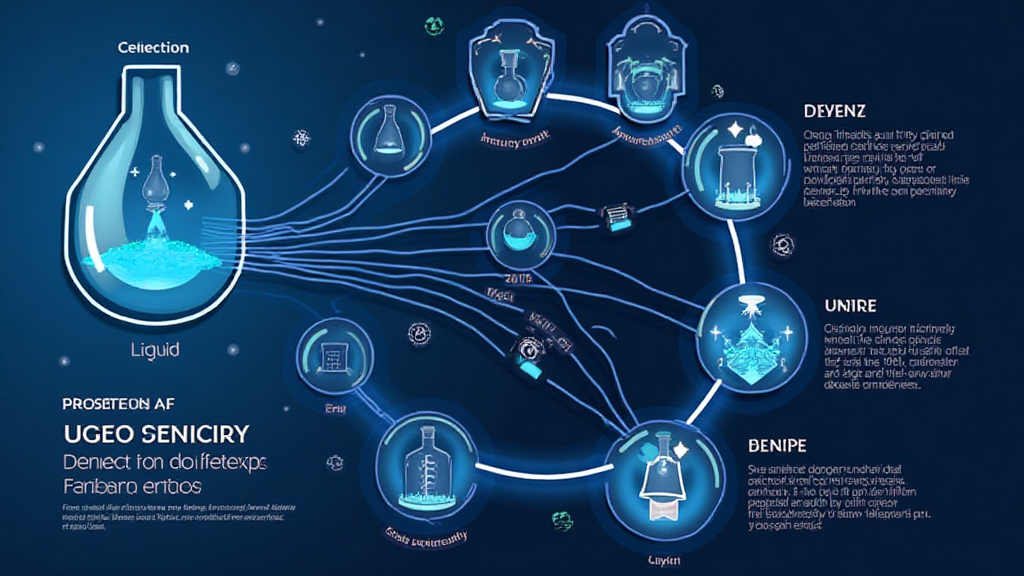
ong>Example: ong> If you stake 10 ETH in a liquid restaking protocol, you might receive 10 stETH (staked Ethereum) tokens that represent your stake but also allow you to continue engaging with the market.- This creates a unique opportunity to benefit from both staking rewards and further investment.
How Does Liquid Restaking Work?
At its core, liquid restaking utilizes smart contracts to lock up the original assets while issuing a liquid token that can be exchanged or used throughout the DeFi ecosystem. Here’s how it typically works:
ong>Deposit: ong> Users deposit their assets (e.g., ETH) into a liquid restaking protocol.ong>Minting: ong> The protocol mints a derivative token (e.g., stETH) that represents the staked amount.ong>Rewards: ong> Users earn rewards based on their original stake.ong>Utilization: ong> Users can utilize the liquid token in various DeFi protocols such as lending platforms or yield farms.
This mechanism mirrors the functionality many users expect from traditional financial products, where liquidity and earning potential coexist.
Benefits of Liquid Restaking
Liquid restaking offers several benefits to users, especially in a rapidly changing market environment:
ong>Increased liquidity: ong> Users can engage with their assets without locking them away.ong>Flexibility: ong> Users can take advantage of favorable market conditions while still earning rewards.ong>Enhanced yield: ong> By using derivative tokens in various DeFi applications, users can increase their overall yields.ong>Reduced risk: ong> As users retain liquidity, they can more easily respond to market fluctuations.
Challenges and Risks
While liquid restaking protocols offer numerous advantages, they are not without challenges and risks:
ong>Smart contract vulnerabilities: ong> Like traditional DeFi protocols, liquid restaking relies on smart contracts that may have security flaws.ong>Market risk: ong> The value of liquid tokens can fluctuate, impacting overall profitability.ong>Complexity: ong> Understanding how to maximize benefits requires knowledge of both staking and DeFi applications.
The Future of Liquid Restaking
As the DeFi landscape continues to evolve, the adoption of liquid restaking protocols is likely to increase significantly:
ong>Increasing adoption: ong> As more users seek flexible investment options, these protocols will likely gain a larger user base.ong>Integration with other DeFi products: ong> Expect to see liquid restaking integrated into lending and borrowing applications, thereby creating additional avenues for revenue generation.ong>Regulatory considerations: ong> As with all blockchain technologies, governments may introduce regulations impacting how liquid restaking can be utilized.
According to the latest trends, the user growth in Vietnam’s crypto market alone is expected to reach
Conclusion
Liquid restaking protocols represent a promising intersection of staking and liquidity within the crypto ecosystem. By providing users with flexible investment options and increased earning potential, they are reshaping how individuals interact with digital assets.
For crypto enthusiasts in Vietnam or anywhere else, now is the time to explore liquid restaking protocols and take your investments to the next level with confidence.