

2025 Blockchain Security Standards: A Comprehensive Guide for Digital Asset Protection
In 2024, the blockchain industry witnessed a staggering $4.1 billion loss due to hacks within decentralized finance (DeFi) protocols. This alarming trend raises a critical question: Are you adequately protecting your digital assets? As the landscape of cryptocurrency continues to evolve, understanding the security standards that will define 2025 is vital for both investors and developers. In this comprehensive guide, we will explore key blockchain security aspects, providing insights and strategies to ensure your investments remain safe.
1. Understanding Blockchain Security
Blockchain security involves strategies and practices to protect digital assets from unauthorized access, cyberattacks, and fraudulent activities. As the industry expands, the threats have also evolved, necessitating advanced security measures.
1.1 The Importance of Security in Blockchain
- Vulnerability of assets can lead to significant financial losses.
- Trust in blockchain technology hinges on robust security standards.
- Regulatory compliance is essential for legitimacy in the marketplace.
2. Key Security Standards for Blockchain in 2025
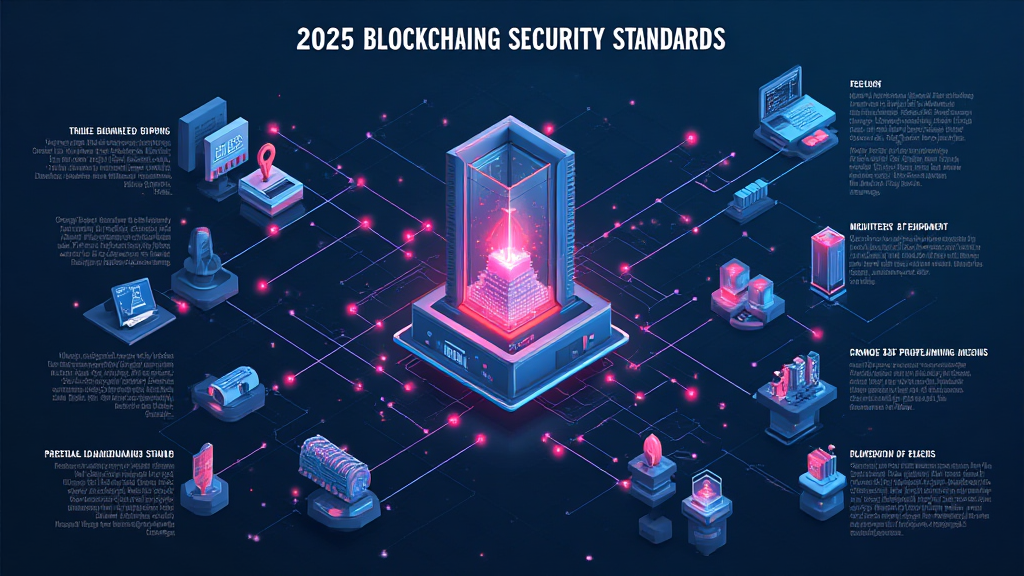
As we approach 2025, several security standards will stand out for their effectiveness and relevance. Understanding these will help you navigate the complex world of cryptocurrency security.
2.1 Multi-Signature Wallets
Multi-signature wallets require multiple keys to authorize a transaction. This reduces the risk of a single point of failure.
- Real-world analogy: Think of a safe deposit box that requires multiple keys held by different parties.
- Statistics show that organizations using multi-signature wallets have reduced theft by over 70%.
2.2 Decentralized Identity Solutions
Decentralized identity solutions provide users with control over their personal data, enhancing privacy and reducing data breach risks.
3. Vulnerabilities and Threat Models
Identifying vulnerabilities is crucial for enhancing security measures. Below are some common vulnerabilities in blockchain networks.
3.1 Consensus Mechanism Vulnerabilities
Consensus mechanisms, like Proof of Work and Proof of Stake, can be susceptible to various attacks.
- Example: A 51% attack, where a group gains majority control over the blockchain, can lead to double spending.
- Mitigation: Always conduct audits on the consensus mechanisms used by your blockchain.
3.2 Smart Contract Vulnerabilities
Smart contracts, while revolutionary, can harbor flaws that hackers exploit. Regular audits are vital for preventing attacks.
4. Best Practices for Blockchain Security
Implementing best practices in blockchain security is essential for protecting your assets. Here are some effective strategies.
4.1 Regular Security Audits
Conducting regular security audits can help detect vulnerabilities before they can be exploited.
- Engage professional auditors to evaluate your blockchain platform.
4.2 User Education and Awareness
Educating users about security best practices can significantly decrease the likelihood of successful attacks.
- Host workshops or webinars to raise awareness among your community.
5. The Future of Blockchain Security
As we look toward 2025 and beyond, blockchain security will remain an evolving field. Continuous innovation and adaptation are crucial for staying ahead of threats.
5.1 Integration of AI and Machine Learning
AI and machine learning technologies can enhance security by identifying patterns and detecting anomalies in real-time.
- Implementing AI tools can increase threat response times by up to 50%.
5.2 Increased Regulatory Scrutiny
With the rise in awareness around cryptocurrency, regulators are taking a closer look at security practices within the blockchain industry.
In conclusion, as the crypto landscape continues to shift and evolve, understanding and implementing the latest security standards is essential for protecting your investments. The importance of multi-signature wallets, decentralized identity solutions, and regular audits cannot be overstated. By adopting these strategies and remaining vigilant against evolving threats, you can ensure that your digital assets are safeguarded against potential vulnerabilities. As we progress into 2025, remember the commitment to security is a continuous journey—not a destination.
For those interested in the Vietnam market, it is noteworthy that the user growth rate in Vietnam’s crypto space has expanded by an impressive 96% from 2023 to 2024. As the interest in cryptocurrency grows, prioritizing security becomes even more critical. Do not forget to follow the latest trends and practices to ensure that your investments remain safe well into the future.
For further information and resources on cryptocurrency security, visit hibt.com.
Not financial advice. Consult local regulators.
Lastly, as a valuable resource, I encourage you to explore additional articles such as “Read our Vietnam crypto tax guide” for insights into the local tax implications, and discover how to effectively navigate this rapidly changing landscape.
Author: Dr. Alex Thompson, a leading expert in blockchain technologies, with over 15 published papers and experience leading audits for notable crypto projects.