



Introduction
With
Understanding Blockchain Security
Before diving into specific security standards, let’s clarify what blockchain security entails. It’s about ensuring the integrity, confidentiality, and availability of data stored on the blockchain. A blockchain functions like a digital vault, protecting assets from unauthorized access and making transactions secure and transparent.
Why Security Matters
- Protecting Assets: Just like a physical bank, your digital assets require security.
- Building Trust: Robust security measures increase user trust in cryptocurrency platforms.
- Regulatory Compliance: Ensuring you meet industry standards helps in staying compliant with regulations.
The Evolving Threat Landscape
The risk factors associated with blockchain technology are becoming more sophisticated. In 2025, we expect to see increased regulatory scrutiny and advanced hacking techniques. Here’s a breakdown of current threats:
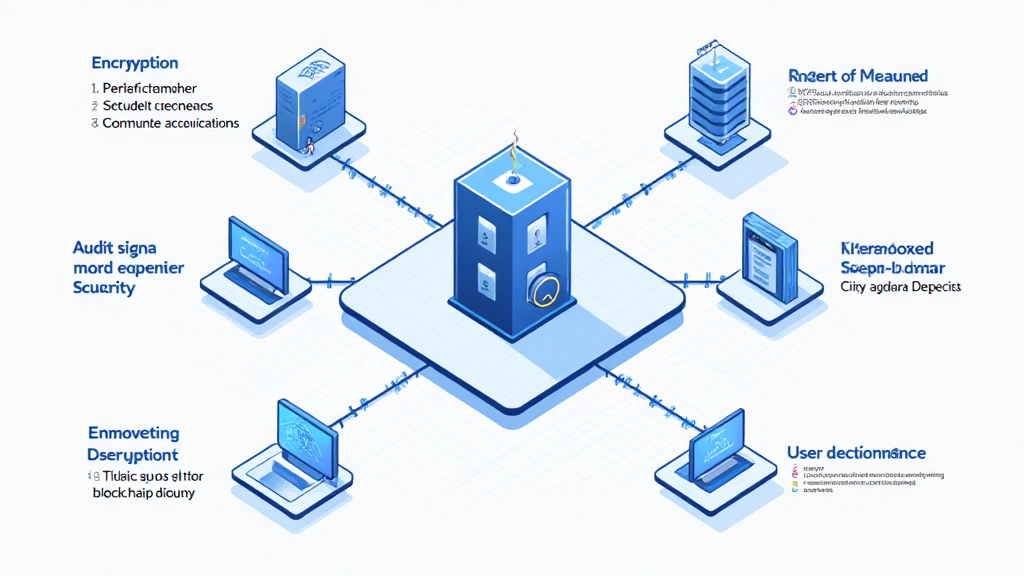
ong>Phishing Attacks: ong> Deceptive schemes that trick users into revealing sensitive information.ong>Smart Contract Vulnerabilities: ong> Bugs in code that can be exploited, leading to significant financial losses.ong>51% Attacks: ong> This occurs when a single entity gains majority control of the network.
Key Blockchain Security Standards in 2025
As we advance into 2025, several key standards are emerging. Here’s a detailed look at them:
1. Enhanced Encryption Protocols
Utilizing advanced encryption methods like SHA-256 is crucial for securing transaction data. Ensuring data is always encrypted protects it from unauthorized access.
2. Regular Audits
Conducting regular audits of smart contracts is essential. Developers must understand how to audit smart contracts effectively. Using tools like MythX can help in identifying vulnerabilities.
3. Multi-Signature Transactions
Requiring multiple signatures for transactions adds an additional layer of security. This helps in preventing unauthorized transactions.
4. User Education
Educating users about potential threats and best practices can drastically reduce risks. Regular tutorials and updates are beneficial.
Case Studies: Lessons from the Field
Let’s look at some real-world examples of blockchain security breaches and what we can learn from them.
Case Study: The DAO Hack
The infamous DAO hack had a profound impact on the Ethereum community. The exploit led to the loss of more than $50 million worth of ETH. Key takeaways include:
- Ensure thorough testing of smart contracts.
- Implement rollback mechanisms to recover from attacks.
Case Study: Poly Network Hack
In 2021, Poly Network lost over $600 million due to a vulnerability in its system. The incident showcased the need for better security audits and more rigorous standards for cross-chain operations.
Future Trends in Blockchain Security
Looking ahead, blockchain security will continue to evolve. Here are some trends to watch for:
ong>AI-Driven Security Solutions: ong> Artificial intelligence will play a larger role in identifying and mitigating threats.ong>Decentralized Security Protocols: ong> More platforms will adopt decentralized security measures to enhance robustness.ong>Regulatory Frameworks: ong> Governments worldwide will increasingly define and enforce security standards for blockchain technologies.
Conclusion
As we move through 2025, the importance of blockchain security will only grow. Understanding the evolving landscape of risks and adopting the latest security measures will empower users and developers alike. Remember, just as a lock is only as secure as its key, your digital assets require continuous vigilance and robust practices to protect them effectively. Visit bitcoinformobile for more insights into securing your crypto journey.


