

Layer 2 Scaling Solutions Review 2025
In the world of cryptocurrency, scalability has been a significant issue affecting transaction speed and costs. According to a recent study, over 70% of users encountered congestion issues on the Ethereum network in 2024. As the demand for blockchain solutions surges, Layer 2 scaling solutions have emerged as one of the most promising mechanisms to enhance transaction efficiency. In this article, we will explore the most viable Layer 2 scaling solutions set to shape the crypto landscape in 2025.
Understanding Layer 2 Solutions
Layer 2 solutions refer to frameworks built on top of existing blockchain networks (Layer 1) that increase transaction throughput without compromising the underlying security. Think of it like constructing multiple lanes on a highway to ease congestion.
- What are Layer 2 Solutions? They are protocols designed to improve the scalability of blockchain networks.
- Why do they matter? The increase in blockchain usage necessitates faster and cheaper transactions.
- How do they work? By processing transactions off the main chain, Layer 2 solutions reduce the workload on the base layer.
Current Layer 2 Solutions: A Closer Look
Several Layer 2 solutions are currently leading the way, including:
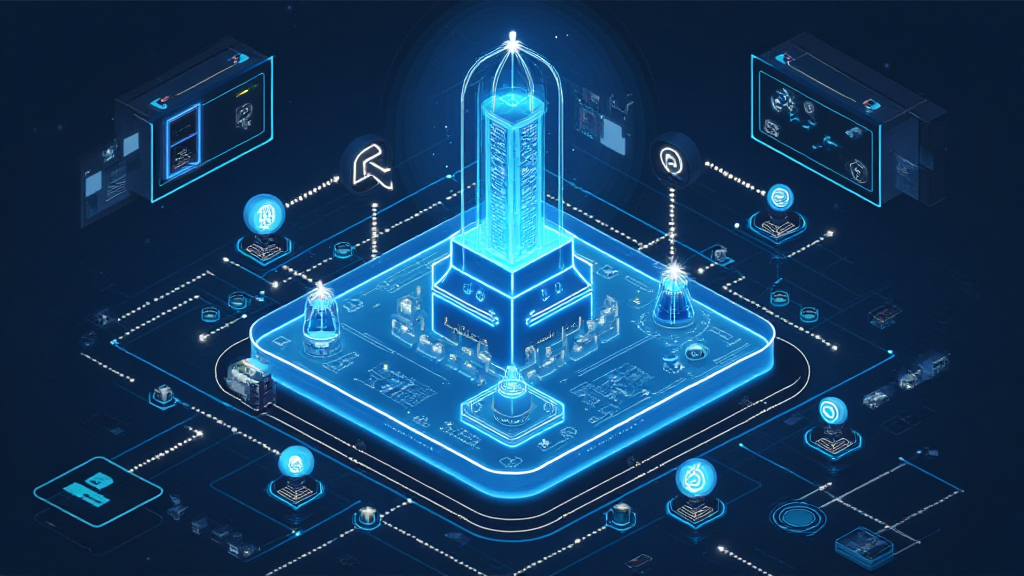
- Polygon (MATIC): A widely adopted Ethereum scaling solution that utilizes sidechains to facilitate quicker transactions.
- Optimistic Rollups: These rely on suspected fraud proofs and can significantly lower transaction costs.
- ZK-Rollups: A more advanced solution that enables the batch processing of transactions while maintaining security.
As we approach 2025, experts predict these solutions will become even more prominent, especially in emerging markets such as Vietnam. According to recent reports, Vietnam’s blockchain user base is projected to grow by 50% in 2025, highlighting the need for efficient and scalable solutions.
Challenges Facing Layer 2 Solutions
Despite their advantages, there are challenges that Layer 2 solutions must overcome:
- Interoperability: Ensuring different Layer 2 solutions can communicate efficiently.
- Security: While these solutions are built to enhance transaction speed, they may be vulnerable to certain types of attacks.
- User Experience: There is a need for intuitive user interfaces to avoid overwhelming non-technical users.
Investors should be aware of these issues, particularly as hacks in the DeFi space cost users around $4.1 billion in 2024 alone.
Future Trends and Predictions
As we head into 2025, several trends are likely to shape Layer 2 scaling solutions:
- Increased Adoption: With the rise of decentralized finance (DeFi) platforms, more projects will seek Layer 2 solutions to handle higher transaction volumes.
- Integration with Emerging Technologies: The coupling of Layer 2 solutions with AI and IoT will deliver innovative use cases.
- Enhanced Regulatory Compliance: As governments scrutinize the industry, future Layer 2 solutions will need to adapt and incorporate compliance features.
According to Chainalysis, 2025 will see new regulatory measures that enhance trust and security across blockchain networks.
Conclusion: The Road Ahead
In conclusion, Layer 2 scaling solutions are set to play a crucial role in the growth and scalability of blockchain technology in 2025. They address key pain points such as transaction speed and costs, making them indispensable as the crypto landscape evolves.
As an investor or developer, staying informed about these developments is paramount for navigating the ever-changing crypto market. For more insights and the latest news, visit hibt.com.
In summary, like an efficient highway system that alleviates congestion, Layer 2 solutions will enhance the user experience for millions of blockchain enthusiasts and users across markets like Vietnam.
Bitcoinformobile is committed to providing comprehensive insights and resources tailored to the needs of our users.