

Shared Sequencers Crypto: The Future of Blockchain Interaction
In the fast-evolving landscape of cryptocurrency, we often hear about new technologies and innovations that promise to change the way we conduct transactions. One such groundbreaking concept that is gaining traction is shared sequencers in the blockchain space. With an astonishing $4.1 billion lost to DeFi hacks in 2024, the importance of secure, efficient transaction methods cannot be overstated. This article delves deep into the concept of shared sequencers and their potential to enhance the functionality of cryptocurrencies.
Understanding Shared Sequencers
Shared sequencers are a collaborative mechanism used within blockchain networks to manage transaction ordering. Think of it like a shared ledger where multiple parties agree on the order of transactions to bolster efficiency and reduce latency. This approach can significantly lower the costs and risks associated with decentralized networks.
### The Mechanics Behind Shared Sequencers
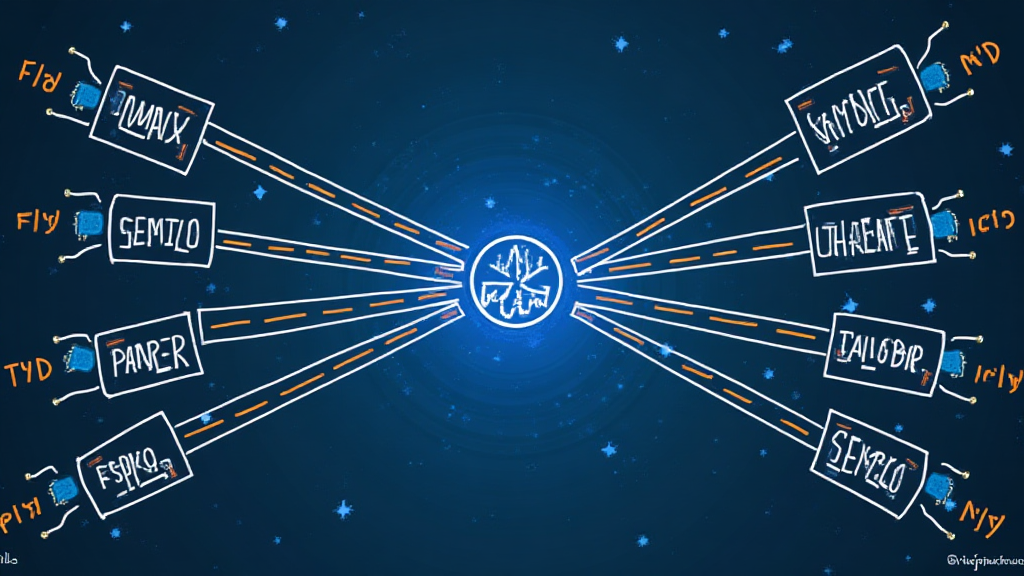
At its core, a shared sequencer acts as an intermediary that organizes transactions. By consolidating transaction data from various users, it creates a more streamlined process. Users can submit their transactions to this sequencer, which will then determine the order in which these transactions will be processed. This process resembles how a traditional bank might handle multiple deposits and withdrawals, ensuring that each is processed in a specific sequence to prevent conflicts.
Why Shared Sequencers Matter?
Shared sequencers offer several advantages, particularly concerning security and efficiency. Here’s how they revolutionize blockchain interactions:
ong>Transaction Finality: ong> By agreeing on the order of transactions, shared sequencers ensure that once a transaction is processed, it is considered final. This reduces issues related to double spending and transaction conflicts.ong>Improved Scalability: ong> As shared sequencers process transactions in batches, they can handle significantly higher transaction volumes compared to traditional blockchain networks.ong>Reduced Latency: ong> By centralizing transaction ordering, shared sequencers can dramatically decrease the time it takes for transactions to be confirmed, enhancing user experience.
Real-World Applications of Shared Sequencers
Different projects have started experimenting with shared sequencers, with promising results. Here’s a look at some real-world applications:
ong>Decentralized Finance (DeFi): ong> Platforms like Uniswap and Aave have already begun integrating shared sequencer technology into their operations to enable quicker and safer trades.ong>Gaming: ong> Blockchain-based games that require instant transaction confirmations can benefit from shared sequencers to ensure seamless gameplay.ong>Supply Chain Management: ong> Companies can leverage this technology to track goods in real-time, ensuring data integrity and reducing fraud.
Challenges and Limitations of Shared Sequencers
While shared sequencers present a new frontier in crypto transactions, they are not without challenges:
ong>Centralization Risks: ong> Despite being a shared system, there is a risk of centralization, which could lead to trust issues among users.ong>Implementation Costs: ong> Developing a shared sequencer system requires a considerable investment in technology and infrastructure.ong>Regulatory Challenges: ong> As with any blockchain innovation, navigating the regulatory landscape can be complex and time-consuming.
The Future of Shared Sequencers in the Crypto Space
Looking ahead, the integration of shared sequencers is expected to expand dramatically. Industry experts predict that as more projects understand their benefits, we could witness a surge in shared sequencer implementations. For example, in Vietnam, the user growth rate for blockchain applications stands at an impressive 30% year-on-year, signaling a growing appetite for advanced transaction solutions.
Conclusion
Shared sequencers represent a pivotal development in the cryptocurrency ecosystem, addressing core issues related to transaction security and efficiency. As technology continues to evolve, it’s crucial for investors and users alike to stay informed about these advancements. While the landscape remains dynamic, the future looks promising for shared sequencer adoption.
Investing time in understanding such emerging technologies not only equips you with knowledge for better decision-making but also opens avenues for leveraging these innovations in various sectors.
For more insights and guidance on crypto investing and innovations like shared sequencers, visit bitcoinformobile. Remember, it’s wise to consult industry experts and local regulators when diving into the cryptocurrency market.