

Understanding Decentralized Autonomous Organizations (DAOs): The Future of Blockchain Governance
With over $4.1 billion lost to DeFi hacks in 2024 alone, the need for secure and robust governance structures within the cryptocurrency landscape has never been more critical. One answer to this challenge lies in Decentralized Autonomous Organizations (DAOs), which are transforming how communities and businesses operate in the digital space. This article will provide insights from professionals in the field, showcase practical implications, and dive deep into how DAOs can provide solutions for secure and efficient operations.
What Are Decentralized Autonomous Organizations (DAOs)?
At their core, DAOs represent a revolutionary approach to organizational governance. They eliminate traditional hierarchical structures and instead empower stakeholders through token-based voting mechanisms. This democratic process ensures that decision-making power is distributed among all participants, aligning the organization’s goals with the interests of its members.
How Do DAOs Operate?
- DAOs operate on blockchain technology, primarily utilizing smart contracts to execute decisions automatically.
- Members propose changes or projects proportional to their stake, and these votes directly influence the organization’s path.
- The transparency of blockchain allows all transactions and decisions to be publicly recorded and verifiable.
The Role of Smart Contracts in DAOs
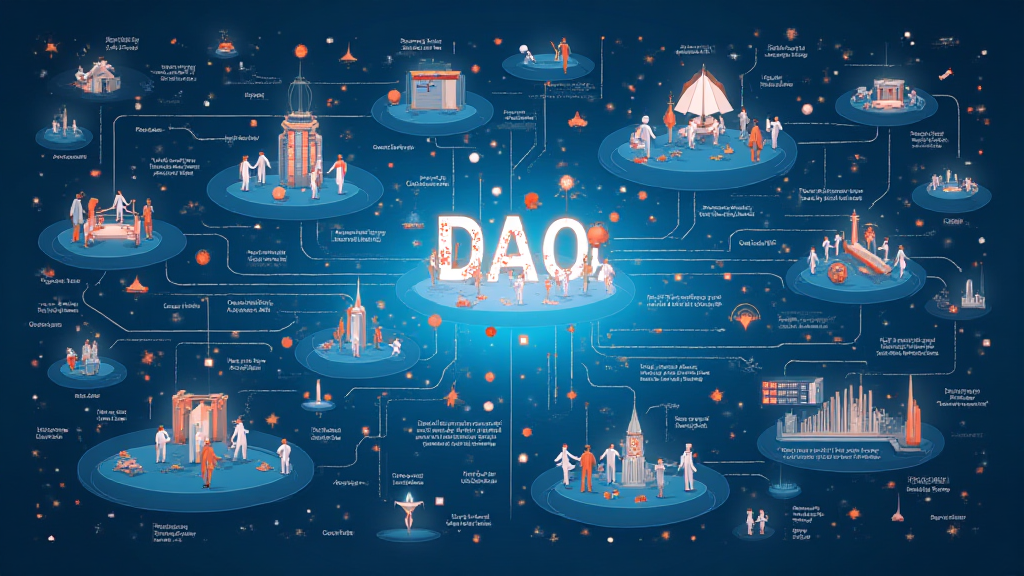
Smart contracts are the backbone of DAOs, providing a secure way to automate processes and enforce agreements without the need for intermediaries. These self-executing contracts contain the terms of the agreement directly written into code.
Benefits of Smart Contracts in DAOs
- Reduction of human error by automating decisions based on coded conditions.
- Increase in trust among members as all actions are traceable and immutable.
- Lower operational costs due to the absence of intermediaries.
Challenges and Limitations of DAOs
Despite their revolutionary potential, DAOs are not without challenges. Issues such as governance disputes, scalability, and legal recognition can hinder their effectiveness. Let’s break them down:
Governance Disputes
Conflicts can arise among members regarding the direction of the organization, particularly when interests diverge. Clear guidelines are crucial for maintaining harmony.
Lack of Legal Frameworks
In many jurisdictions, DAOs operate in a legal gray area, complicating their ability to function effectively within existing legal structures.
Scalability Issues
As DAOs grow, it can become increasingly difficult to reach consensus, potentially slowing decision-making and hampering responsiveness.
Real-World Examples of Successful DAOs
Several DAOs have emerged as prominent examples within the crypto space, showcasing various use cases and successes. For instance:
ong>MakerDAO: ong> Known for its stablecoin DAI, this DAO governs the collateralized debt positions (CDPs) used to create DAI. Voting power is proportional to the amount of MKR tokens held.ong>Aragon: ong> A platform that allows anyone to create and manage a DAO, facilitating a wide range of organizational structures.ong>Gitcoin: ong> Focused on funding open-source software projects through community voting, Gitcoin showcases how DAO structures can effectively allocate resources.
The Future of DAOs: Market Insights
According to recent data, the DAO market is projected to grow exponentially in the next five years, particularly in regions like Vietnam, where blockchain adoption is rapidly increasing. In Vietnam, the number of active crypto users has risen by 150% in just one year, making it a fertile ground for DAOs.
As the popularity of crypto and DeFi increases, we can expect DAOs to play a more significant role in governance and investment structures, emphasizing a collaborative approach to decision-making.
Conclusion
Decentralized Autonomous Organizations (DAOs) represent a groundbreaking shift in how we think about governance in the digital age. They provide an innovative framework for collaboration and decision-making, especially in a world that increasingly values transparency and community-driven initiatives. By leveraging smart contracts and blockchain technology, DAOs offer secure, reliable operations while also promoting egalitarian governance.
As you explore the world of DAOs, remember to consider the challenges they face and monitor their evolution within the market landscape. Stay informed about Vietnam’s growing crypto community, which is ripe for further DAO innovations.
For more insights into cryptocurrency laws and strategies, visit hibt.com and equip yourself with the knowledge to navigate this exciting world effectively.