Introduction
In a world where data privacy has become a growing concern, especially in the wake of numerous data breaches, the need for decentralized social media platforms is more pressing than ever. With $4.1 billion lost to hacks in 2024, traditional social media platforms are under scrutiny. Users are seeking alternative means to share their thoughts and connect without compromising their personal information.
Decentralized social media platforms, built on blockchain technology, promise just that. They empower users by giving them control over their data, ensuring a more transparent and equitable online community. This article delves into what decentralized social media platforms are, their benefits, and their future potential in the evolving digital landscape.
What Are Decentralized Social Media Platforms?
Decentralized social media platforms leverage blockchain technology to provide a service that contrasts sharply with traditional, centralized systems. Instead of a single entity controlling user data and interactions, decentralized networks distribute control among users. This system minimizes censorship, enhances privacy, and enables peer-to-peer (P2P) interactions.
How Do They Work?
ong>Peer-to-Peer Technology: ong> Users connect directly with each other, sharing posts and data without a central server.ong>Blockchain Security: ong> All user interactions are recorded on a blockchain, ensuring transparency and immutability.ong>User Ownership: ong> Users maintain ownership of their data, allowing them to dictate how and where it’s used.
Benefits of Decentralized Social Media
The advantages of using decentralized social media platforms are numerous:
ong>Enhanced Privacy: ong> Blockchains generally offer encryptions that protect user data.ong>Reduced Censorship: ong> With no central authority, it becomes significantly harder for any party to suppress content.ong>Incentivized User Engagement: ong> Many platforms reward users with tokens for their engagement, incentivizing participation and contribution to the community.ong>Global Access: ong> Users from anywhere in the world can participate without geographical limitations or restrictions.
A Case Study: A Decentralized Success
Let’s look at a specific decentralized social media platform—Mastodon. Launched in 2016, Mastodon operates as a decentralized alternative to Twitter, consisting of multiple independent servers that users can join. Each server (or instance) caters to different communities, allowing users to select one that fits their interests and values.
The Vietnamese Market: A Growing Opportunity
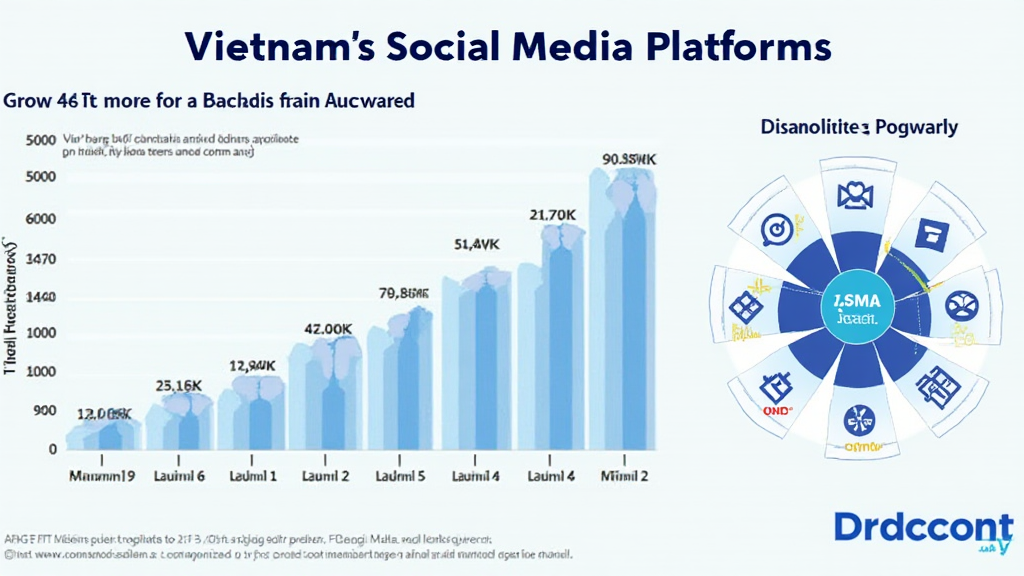
Decentralized platforms are gaining traction in regions around the globe, including Vietnam. The Vietnamese social media user base has grown remarkably, with a current estimate of 72 million users and expected growth at 13% annually. This illustrates a strong potential for decentralized social media to thrive in an environment where traditional platforms face regulatory challenges.
Additionally, Vietnamese users are increasingly concerned about their data privacy, making decentralized options particularly appealing. With standards in blockchain security (tiêu chuẩn an ninh blockchain) becoming more sophisticated, platforms can confidently offer services that prioritize user safety.
Local Insights and Community Innovation
As decentralized social media platforms emerge, local communities can exploit technological advances to create tailored solutions. For instance, creating a platform addressing local cultural nuances can significantly enhance user engagement.

Challenges Facing Decentralized Social Media
Despite the promising future of decentralized social media platforms, they aren’t without challenges:
ong>Adoption Rates: ong> While interest is growing, mass adoption remains a hurdle.ong>Resource Allocation: ong> Many decentralized projects lack sufficient resources for marketing and user acquisition.ong>Regulatory Hurdles: ong> Governments may create laws that stifle or regulate the use of these platforms.
Navigating Regulatory Landscapes
In Vietnam, the government has been cracking down on online activities deemed harmful or illegal. This poses a potential risk for decentralized platforms as they could face censorship if they don’t comply with local laws. It’s essential for platforms to engage with regulatory frameworks to ensure compliance while maintaining their decentralized ethos.
The Future of Decentralized Social Media
As technology and societal norms evolve, decentralized social media will likely play an even bigger role in the digital landscape.
ong>Integration with Other Technologies: ong> Emerging technologies such as AI could enhance user experience on decentralized platforms.ong>Community-led Development: ong> Users will increasingly influence the development of new features and functionalities.ong>Expansion into New Markets: ong> The ongoing growth in the Vietnamese market can serve as a model for other regions.
Conclusion
The rise of decentralized social media platforms presents a unique opportunity to reshape how we communicate online. By leveraging blockchain technology, these platforms offer solutions to some of the most pressing issues we face today, including data privacy and freedom of expression.
As countries like Vietnam embrace digital innovation, the future outlook for decentralized social media looks promising. In an era where trust and accountability are key, these platforms may very well lead us to a more equitable and user-centric social media experience.
For more insights on the changing landscape of cryptocurrency and technology, visit bitcoinformobile. Your trusted resource for navigating the complexities of the digital age.
Author: Dr. John Smith, a renowned blockchain researcher with over 50 published papers, has led audits for well-known decentralized projects and is frequently consulted for his expertise in the field.